
Picking the wrong vendor is one of the most expensive mistakes a project can make, and it usually doesn’t show up until months in. A portfolio full of nice photos doesn’t guarantee good execution. A low quote doesn’t guarantee good materials. Owners often sign with a furniture manufacturing company based on price or a polished website, then discover mid-project that the workshop can’t actually deliver what was promised, on time, at the quality they expected.
What Does a Furniture Manufacturing Company Actually Do?
A furniture manufacturing company builds custom pieces for a project rather than supplying items from a fixed catalog. Some companies only manufacture, working from a designer’s drawings. Others offer design and manufacturing together, handling the full process from concept to finished, installed furniture. That distinction matters more than most owners realize going in. A design-only firm needs a separate manufacturer, which adds coordination and risk. A manufacturing-only workshop needs someone else’s drawings to work from. A company that does both keeps the whole process under one roof.
What to Actually Look For
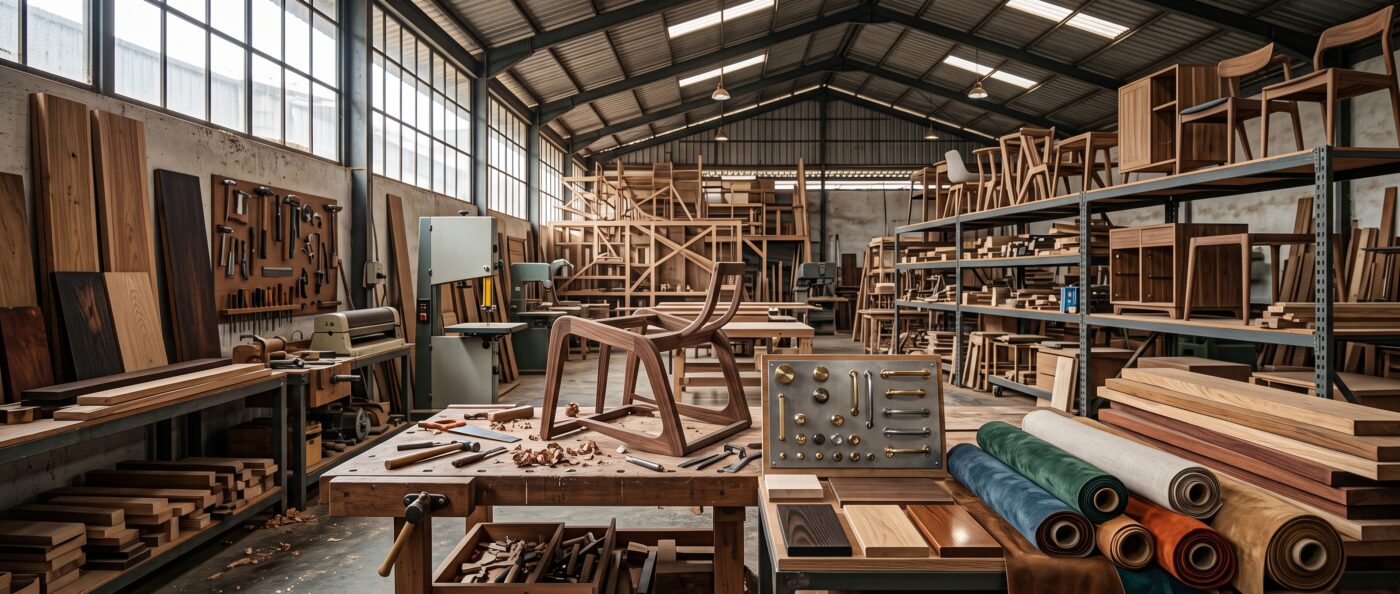
Start with the portfolio, but look past the photos. Ask for projects similar in scale and type to your own, and ask how long those projects took from start to finish. Check whether the company owns its own workshop or subcontracts production out, since that affects both quality control and lead time. Ask about material sourcing and whether samples are available to review in person before a full order gets placed. Communication matters just as much as craftsmanship. A company that answers questions clearly during the quoting stage usually communicates just as clearly once the project is underway.
Evidence and Reference Standards
Reputable manufacturers should be able to show quality control processes, not just finished photos. This includes material testing for commercial-grade durability and clear specifications for every piece before production starts. Contracts should spell out lead times, payment milestones, and what happens if a delivery is delayed. Vague timelines and vague contracts are the two clearest warning signs of a company that overpromises during sales and underdelivers during production.
After Signing: What to Prepare
Once a company is selected, get everything in writing before production begins. This includes final specifications, material choices, delivery dates, and payment terms. Keep a single point of contact on both sides so questions don’t get lost between departments. It also helps to schedule a mid-production check-in, especially for large orders, rather than waiting until delivery day to see the finished pieces for the first time.
What to Realistically Expect
Even with the right company, custom manufacturing takes real time, and rushing a workshop rarely ends well. Expect an honest vendor to push back on unrealistic deadlines rather than agreeing to everything upfront. Minor adjustments during production are normal, especially on large or highly custom orders. What separates a good manufacturing partner from a risky one isn’t a flawless process. It’s how clearly they communicate when something needs to change.
Ready to Work With a Team That Does Both?
If you’re comparing vendors for an upcoming project, Intro Kreasi offers both design and furniture manufacturing under one roof, for clients across Indonesia from our workshop in Surabaya. Read also: Custom Furniture Manufacturing vs Off-the-Shelf: What Commercial Projects Actually Need and How to Brief Your Interior Designer for the Best Results for more on setting a project up right. Reach out through our contact page or WhatsApp at +62 813-2677-7097 to talk through what your project needs.