
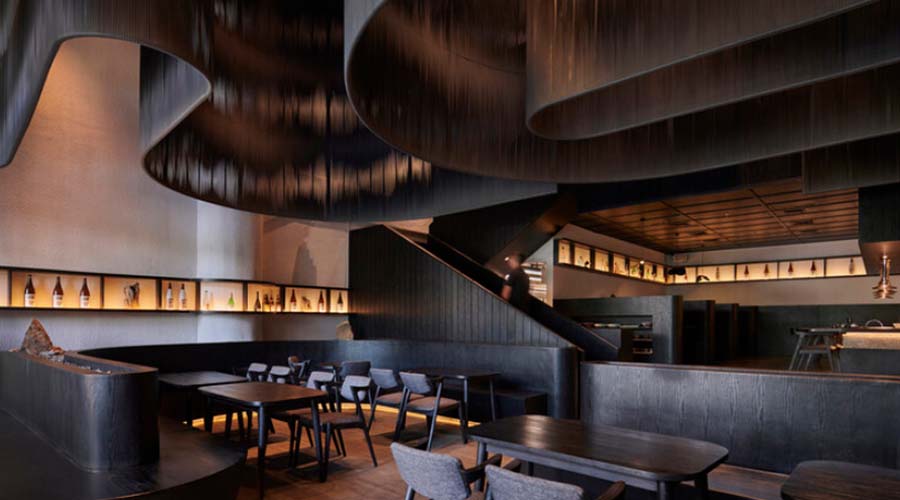
Restaurant interior design does more than provide a backdrop for a meal — it actively shapes how long guests stay, how much they enjoy their experience, and whether they come back. Unlike a home or office, a restaurant or cafe has to balance atmosphere with a set of practical demands most other spaces don’t face: turning tables efficiently, managing noise, and supporting a working kitchen just out of sight.
Setting the Tone Through Lighting
Lighting does more to establish mood in a restaurant than almost any other design element. Warm, dimmer lighting tends to encourage guests to linger, making it well suited to dinner service or a space built around a relaxed, romantic atmosphere. Brighter, more even lighting suits daytime cafes and quick-turnover restaurants, where the goal is energy and efficiency rather than a slow, lingering meal.
Layering different light sources — ambient lighting for overall illumination, task lighting over tables, and accent lighting to highlight architectural or decorative features — creates depth that a single overhead lighting scheme can’t achieve, and allows the mood to shift naturally from daytime brightness to evening warmth if the space operates across both.
Read more: Hotel Lobby Design: Creating a Memorable First Impression
Choosing Materials That Match the Concept
Material choices communicate a restaurant’s personality before a guest even sits down. Warm woods and soft textiles tend to signal comfort and informality, fitting well with casual dining or cafe concepts. Polished stone, metal, and glass lean toward a more contemporary, upscale feel, often paired with fine dining or cocktail bar concepts where a sleeker atmosphere is the goal.
Acoustic considerations matter here too. Hard, reflective surfaces — tile, concrete, glass — can make a space feel loud and chaotic once it fills with guests, while softer materials like upholstered seating, textiles, and acoustic panels help absorb sound and keep noise at a manageable level, even during a busy service.
Designing Seating for Flow and Comfort
Seating layout has to balance two competing goals: maximizing the number of covers a space can seat, and giving each table enough breathing room to feel comfortable rather than cramped. Tables placed too close together create an uncomfortable dining experience and can slow service, as staff struggle to navigate between them during a busy rush.
A mix of seating types — booths, standard tables, bar seating, and perhaps a communal table — also allows a restaurant to accommodate different party sizes and dining occasions without wasting space on seating configurations that don’t match how guests actually arrive.
Balancing Kitchen Visibility With Ambiance
Open kitchens have become a popular design choice, offering guests a glimpse into the cooking process and adding a sense of energy and theater to the dining experience. However, an open kitchen also introduces noise, heat, and smells directly into the dining space, which needs to be carefully managed through ventilation and layout to avoid overwhelming the atmosphere the rest of the design is trying to create.
For concepts where a calmer, more controlled ambiance matters more than kitchen theater, a partially concealed or fully closed kitchen may be the better choice, keeping the dining room’s mood insulated from the intensity of service happening just out of sight.
Reflecting Brand Identity Through Design
A restaurant’s interior should feel like a physical extension of its menu and concept, not a generic space that could belong to any restaurant. A design that doesn’t match the food and service being offered can create a subtle sense of dissonance for guests, even if they can’t quite articulate why something feels slightly off.
Small, consistent details — from the typography on a menu echoed in signage, to color choices that reflect the cuisine’s cultural roots — reinforce a cohesive identity that guests notice, even subconsciously, throughout their visit.
Read more: Retail Store Interior Design: Turning Browsers Into Buyers
Designing for Both Mood and Operations
The most successful restaurant and cafe interiors achieve atmosphere without sacrificing the practical realities of running a food and beverage business. A beautifully designed space that makes service inefficient or overwhelms guests with noise ultimately works against the business it’s meant to support, no matter how well it photographs.
At Intro Kreasi, restaurant and cafe projects are designed with both mood and operations in mind from the start, ensuring the finished space creates the right atmosphere while genuinely supporting how the business runs day to day.