
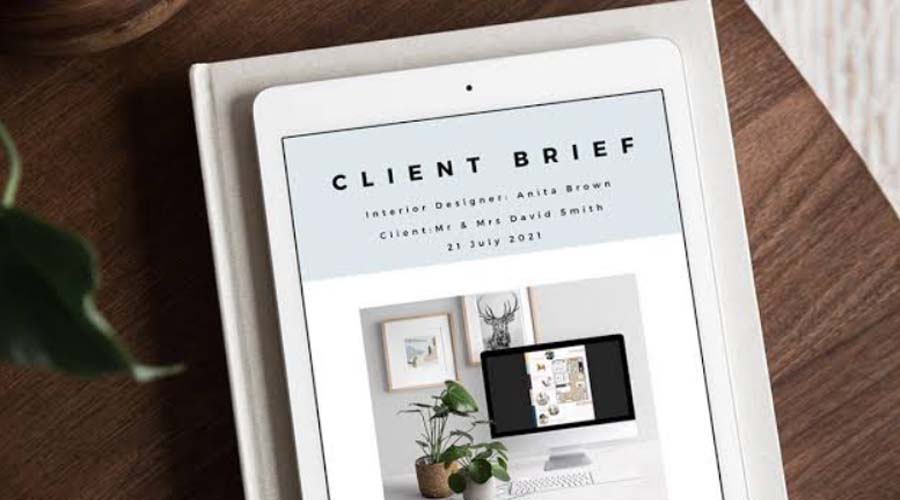
Briefing your interior designer well is one of the most underrated factors in how smoothly a project turns out. A clear, thoughtful brief gives a designer the context they need to make decisions that genuinely fit your life, while a vague or incomplete one often leads to revisions, misunderstandings, and a longer path to a result you’re happy with.
Start With How You Actually Live
Before talking about styles or colors, it helps to think through how you and your household actually use space day to day. Do you entertain often, or is the space mostly for quiet evenings at home? Do you work from home and need a dedicated quiet zone, or does the household tend to gather in one shared area regardless of what everyone’s doing? These everyday patterns matter more to a designer than most people realize, since they shape decisions about layout and flow long before any aesthetic choices come into play.
Mentioning specific frustrations with your current space is equally valuable. If storage has always felt inadequate, or a particular room never gets used the way you intended, sharing that context helps a designer address the root issue rather than just refreshing the surface.
Read more: Open Concept vs Zoned Layout: Which Suits Your Home Best?
Bring References, But Explain What You Like About Them
Reference images are useful, but they’re far more useful when paired with an explanation of what specifically drew you to them. A photo alone can be interpreted many ways — is it the color palette, the furniture shapes, the lighting, or the overall mood that appeals to you? Being specific about what you’re responding to in a reference helps a designer extract the right elements rather than guessing.
It’s equally helpful to share images of things you don’t like, and why. Knowing what to avoid is often just as valuable as knowing what to pursue, particularly when it comes to colors, materials, or styles that have felt wrong in past spaces.
Be Upfront About Budget
Budget conversations can feel uncomfortable, but vague or withheld budget information tends to cause more problems than it solves. A designer working without a clear budget range risks presenting options that are either unrealistic for what you’re willing to spend or overly conservative relative to what you could actually achieve. Sharing a realistic range upfront, even a rough one, allows a designer to make recommendations that are actually usable rather than aspirational.
It’s also worth mentioning if certain elements matter more to you than others — for example, prioritizing quality furniture over finishes, or vice versa — so a designer can help allocate the budget in a way that reflects your actual priorities.
Clarify Your Timeline and Any Constraints
Sharing your timeline early, including any hard deadlines like a move-in date or an event you’re hosting, helps a designer plan the project realistically from the start. If certain constraints exist — a load-bearing wall you’d prefer not to touch, a piece of furniture you want to keep, or a family member’s specific needs — flagging these upfront prevents wasted design work on ideas that were never going to be feasible.
Communicate Ongoing Needs, Not Just the Initial Vision
A good brief isn’t limited to the first meeting. As a project progresses, continuing to share feedback clearly — what’s working, what isn’t, and why — helps a designer refine the direction efficiently rather than guessing at what changed. Vague feedback like “it doesn’t feel right” is harder to act on than something more specific, like noting that a room feels too dark or a layout makes a space feel cramped.
Trust the Process While Staying Engaged
While a detailed brief sets a strong foundation, it’s also worth staying open to a designer’s professional judgment on things outside your initial vision. Designers often see solutions to problems you didn’t know existed, and part of what you’re paying for is that expertise. The best collaborations tend to involve a clear brief paired with genuine openness to expert input, rather than a rigid set of instructions followed without room for informed suggestions.
Read more: Mixing Textures and Materials in Interior Design Projects
Setting Your Project Up for Success
A strong brief ultimately comes down to communicating context, not just preferences — how you live, what’s frustrated you before, what matters most within your budget, and what constraints need to be respected. The more a designer understands about your actual life and priorities, the more the final result will feel like it was made for you specifically, rather than assembled from a generic template.
At Intro Kreasi, the design process begins with genuinely understanding a client’s life and priorities, using that context as the foundation for every decision that follows rather than treating the brief as a formality to move past quickly.