
An interior design timeline is one of the most common sources of mismatched expectations between clients and designers, largely because the process involves far more stages than most people anticipate before starting a project. Understanding what each phase actually involves — and why it takes as long as it does — makes it much easier to plan realistically rather than being caught off guard by delays.
The Discovery and Concept Phase
Every project starts with understanding what a client actually needs — their lifestyle, priorities, budget, and the practical realities of the space itself. This phase typically takes a few weeks, involving initial consultations, site visits, and measurements before any concept work begins.
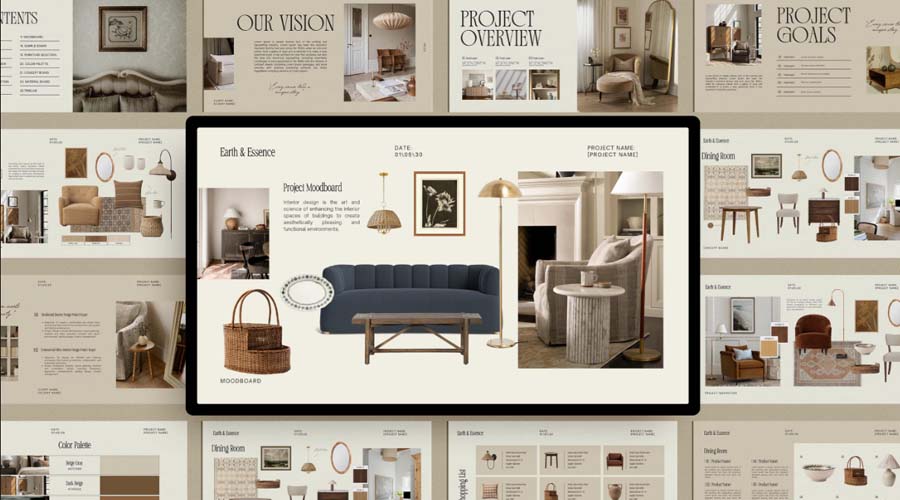
Concept development follows, where a designer translates that understanding into initial direction — mood boards, rough layout ideas, material and color directions. This stage usually takes another few weeks, depending on how much back-and-forth refinement is needed before a client feels confident in the direction.
Read more: Interior Design Budget: How to Plan and Avoid Overspending
Design Development
Once a concept is approved, design development turns broad ideas into specific, actionable decisions — exact furniture pieces, precise material specifications, detailed layouts, and technical drawings if construction or custom millwork is involved. This phase tends to take longer than people expect, often a month or more for a moderately complex project, since it involves sourcing options, comparing quotes, and finalizing countless individual decisions that each need client approval.
Projects involving structural changes or extensive custom work naturally extend this phase further, since technical drawings and contractor coordination add additional rounds of review before everything is locked in.
Procurement and Lead Times
This is often the phase clients most underestimate. Furniture, especially anything custom-made, frequently has lead times of eight to twelve weeks or longer, and imported materials or specialty finishes can take even longer depending on where they’re sourced from. Procurement typically overlaps with construction or installation prep, but the ordering itself needs to happen well in advance of when items are actually needed on site.
A single delayed shipment can push back an otherwise on-schedule project, which is part of why experienced designers build buffer time into procurement estimates rather than assuming everything will arrive exactly on schedule.
Construction and Installation
For projects involving renovation work, construction is usually the longest single phase, and its duration depends heavily on scope — a cosmetic refresh moves much faster than a project involving structural changes, plumbing relocation, or electrical rework. Unexpected issues discovered once walls are opened are a common source of delay here, particularly in older buildings where original conditions aren’t always fully known until work begins.
Once construction wraps up, installation of furniture, fixtures, and final styling typically takes a matter of days to a couple of weeks, depending on the scale of the project and how much has already been prepared in advance.
Factors That Extend a Timeline
Beyond the phases themselves, certain factors reliably extend a project’s timeline. Custom work — bespoke furniture, made-to-order finishes — takes longer to produce than off-the-shelf alternatives and should be factored in early if it’s part of the plan. Scope changes mid-project, even seemingly small ones, often ripple into procurement and construction schedules that were already set in motion.
Permit approvals, where required for structural or significant electrical and plumbing work, can also introduce delays outside a designer’s direct control, since approval timelines depend on local authorities rather than the project team.
Setting Realistic Expectations From the Start
A straightforward furniture and styling refresh with no construction might take a couple of months from start to finish. A full renovation involving structural work, custom furniture, and imported materials can reasonably take six months to a year or more. Neither timeline reflects poor planning — they reflect fundamentally different scopes of work.
Discussing a realistic timeline upfront, including where the biggest risks for delay typically sit, helps set expectations that hold up better than an overly optimistic estimate that inevitably needs revising later.
Read more: How to Brief Your Interior Designer for the Best Results
Planning With Reality in Mind
An interior design project rarely moves in a straight line, and building in reasonable buffer time at each stage — rather than assuming everything will proceed exactly on schedule — leads to a far less stressful experience for everyone involved. Understanding where time actually goes makes it easier to plan around a timeline rather than feeling blindsided by it.
At Intro Kreasi, timeline expectations are discussed openly from the earliest project conversations, so clients understand not just what to expect, but why each phase takes the time it does.